
Goa is to India what Devon or Cornwall are to the UK: it’s where everyone wants to go for their holiday. And like Cornwall, people will bemoan the fact that it’s changed over the years, it’s so much busier and crowded and outsiders have moved in and bought second homes.
Instagrammers and others will lead you to believe that Goa is some sort of idyllic paradise with soft sandy beaches, long dreamy days spent sipping the local tipple, all while watching scintillating sunsets. And for some of the time, it can be just like that.
But we have a love hate relationship with Goa because a lot of the time, it’s not perfect. Read on to get our take on Goa.
What we didn’t like about Goa
- The taxi mafia. Uber and other ride hailing companies have been kept out of Goa. This has had the following consequences: taxis are relatively expensive and not always easy to find. Local transport is practically non-existent, so you have no option – other than walking or hiring a two-wheeler. (We did get a bus once. Running once an hour, it was very cheap and took us right into town. We tried the same again the next day, but the bus was full and went sailing past!)
- The high-rise building explosion. Goa has wonderful heritage buildings dating from the Portuguese colonisation. These are villa type properties with red tiled roofs, wooden decoration and iron railings, usually with a decent size garden. These are being replaced by ugly high rise buildings, thrown up quickly, almost anywhere, without any consideration for aesthetics, or in keeping with the area.
- Stray dogs are everywhere. They breed, defaecate and sometimes bite, and don’t seem to serve any useful purpose.
- Litter is a problem. It’s all over, ruining country lanes and beaches. It’s much worse, since we first started visiting in 2005, presumably because even more snack foods are now supplied in bags, for example crisp packets.
- Bitey things. Mosquitoes and biting insects like the heat too. Make sure you get a spray or cream if you are affected. You can buy them in chemists or larger supermarkets.
- Fontainhas. This pretty heritage area in the capital Panaji (Panjim) has been overrun by tourists, especially instagrammers. The streets are hard to walk along as there are narrow pavements and two-wheelers and cars are constantly honking at you to get out of the way. Aggressive notices state, ‘no photography’ or ‘keep quiet’, not exactly welcoming, but maybe the residents have had enough.
What we did like about Goa
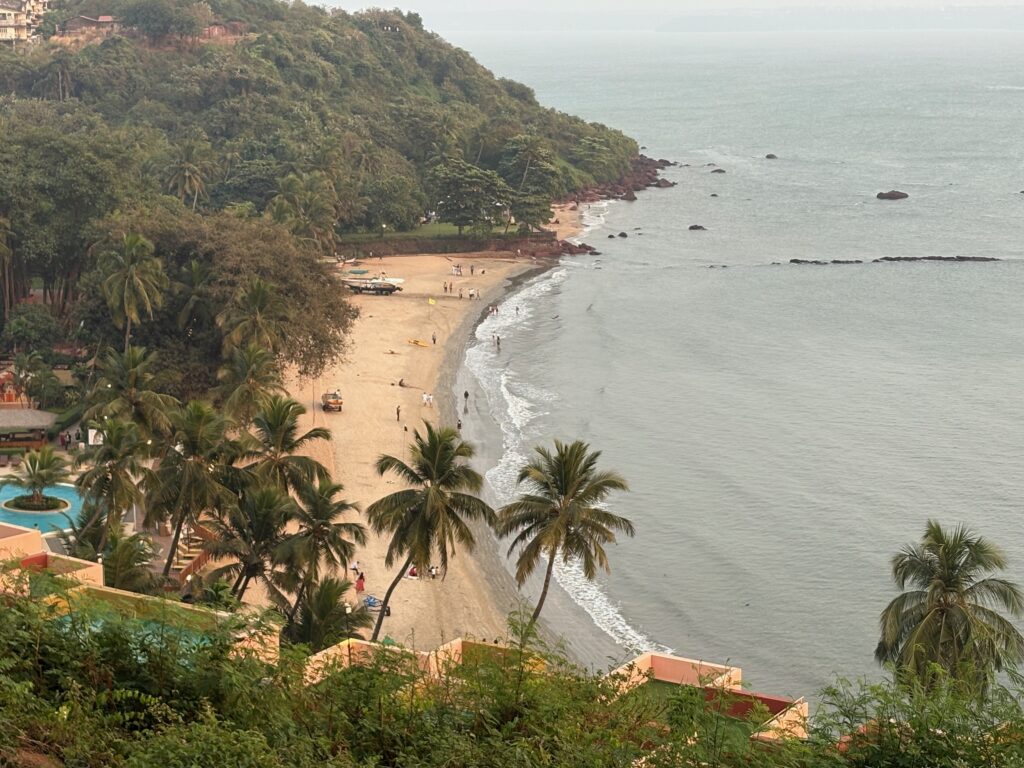
- Some areas are lovely, especially in South Goa, where it is quieter. And there are clean, sandy beaches; you just need to know where to look.
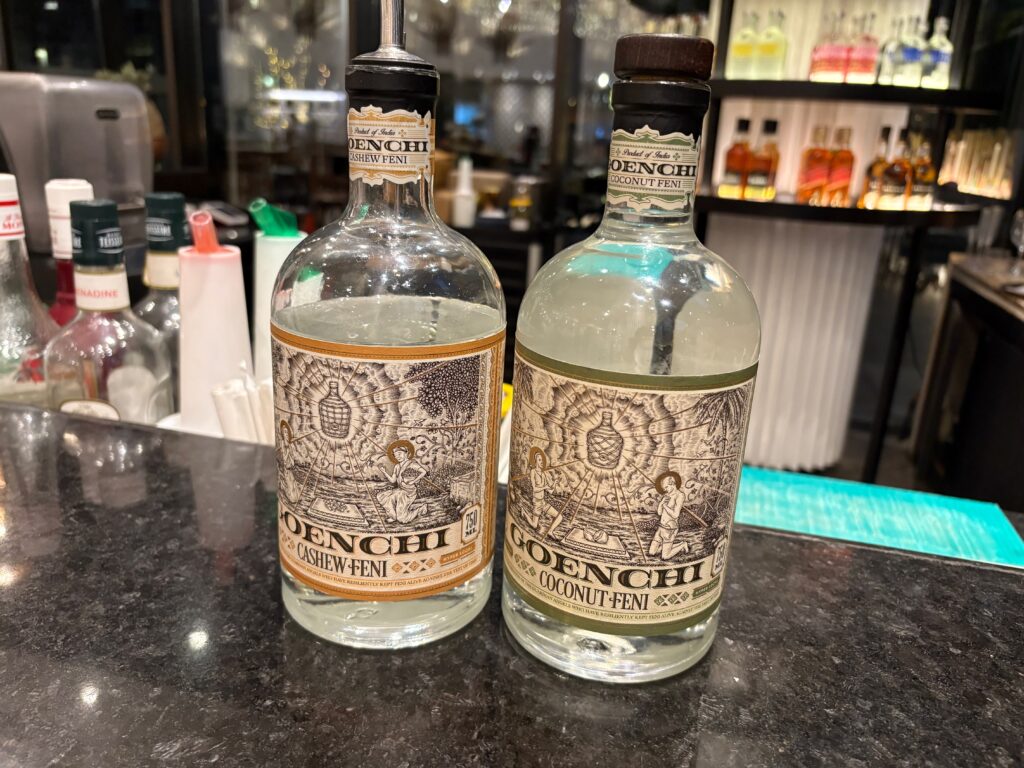
- Cashew nuts, feni and fish. The cashew nuts are addictive, feni is the local tipple and fish is fresh and plentiful.
- Some of the hotels are fabulous and worth the long flight from the UK.
- Food and drink. Food is often good – fish dishes are especially fantastic – and always cheap, compared to the UK and Western Europe. So is alcohol, especially beer. A bottle of Kingfisher is as little as £1; in a top luxury hotel, it might cost £4. A meal for two with a drink each is around £30. It’s hard to generalise as it depends on what you order, but normally about half what you’d pay in the UK, often less.
- The sunsets. I never tire of watching the sun go down, especially if it’s brilliant orange and makes the sky pinkish.
- The weather is nearly always sunny. It’s hot and humid, with little rain except in monsoon season, so try to go in their winter.
- Air quality. Unlike some inland areas, especially in north India, the air quality is generally good. You often get a breeze off the coast too, so it’s lovely to eat al fresco at night in the balmy air.
- The people. As with most places in India, the local people are generally friendly and helpful. English is not widely spoken outside the tourist areas, so if they appear shy or diffident, it’s often a language thing.
Need to know
- You will need a visitor visa. You can get it online, but make sure you use the official government site, as there are several copycat sites that will try to scam you.
- Insurance. You will need travel insurance. Once you hit 70, it gets more tricky and more expensive, especially with certain medical conditions. If you are planning to scuba dive and aged over 59, you will need a doctor’s letter to state you are fit to do so. In India, 60 is regarded as ancient.
- Currency: Rupees. Make sure you have the smaller denominations for tips. Indians themselves are not big tippers, but it’s nice to give a small tip if someone has helped you.
- Cards: Cards are accepted in most places.
- Airports: There are two in Goa: Dabolim Airport (GOI) in South Goa and Manohar International Airport (GOX) in North Goa. Arrange for your hotel to pick up and check how much it will cost beforehand.
- We prefer indirect day flights as we find them less tiring. We don’t like flights at silly o’clock and prefer to use public transport to get to the airport if we can.
- Indian phone: One of the best things we did was to get a cheap second (burner) phone, despite having to spend over three hours sitting around in Vodafone while they sorted out the sim.
How to get around
- Some brave souls rent a two-wheeler but that would not be my choice. Apart from the road worthiness of the bike, I’d be worried about the driving ability of everyone else. There are a few buses, and maybe you will be lucky and find a reliable, regular route, but we didn’t have much luck.
- Taxis are the way to go. They have a captive audience and know it, so be prepared to be a bit exasperated at times. Always agree a fare before getting in the car.
What to pack
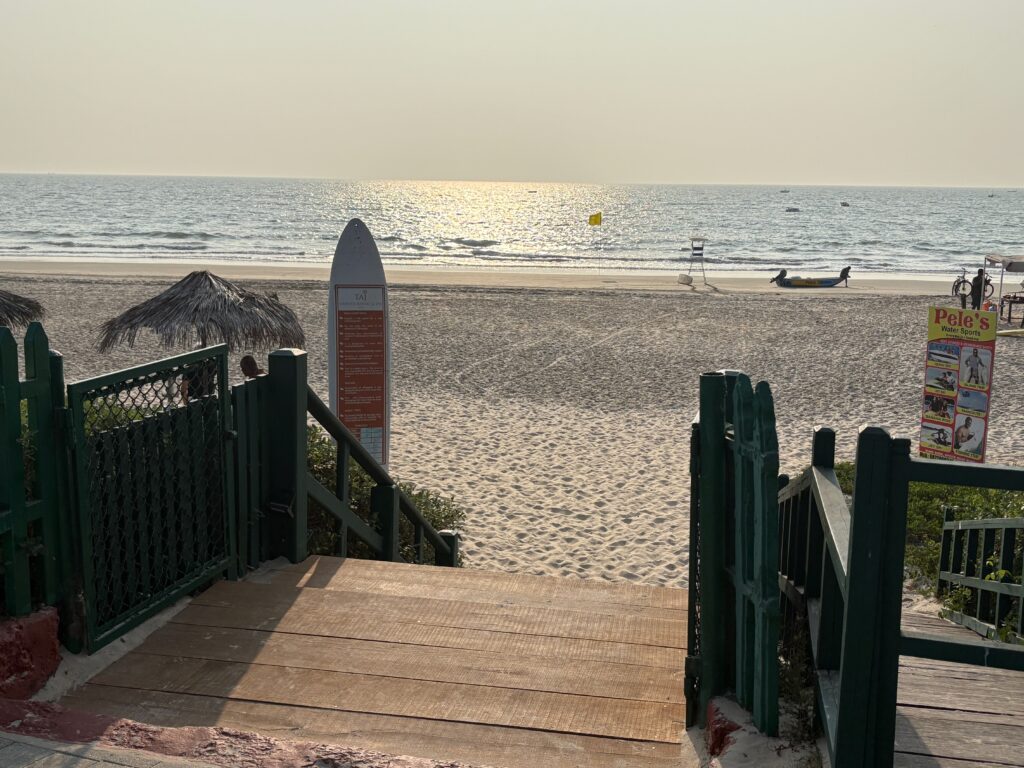
It’s always warm, so summer clothes. Make sure you have a coverup, as Indians dress conservatively, so respect their customs. Bikinis are fine on the beach, but in the street and particularly if you visit a temple, cover your shoulders and legs. Men should not be bare-chested in the street.
- A sunhat
- I took a pair of light-coloured trainers and flip flops. Paul took a pair of trainers and canvas Vans.
- Sun protection is worth taking from home as it’s not common in India. Also, your favourite toiletries. I found it hard to buy stick deodorant for example. But toothpaste, toothbrushes, tissues, facecloth, plasters, shower gel and mozzie repellent are easy to find and cheaper than in UK.
- If you are going during monsoon, a light umbrella and cagoule type thing would be useful.
All words and images copyright or Paul and Livvy. Written permission prior is required for any use, anywhere.